

Solar Is Growing. Why Might It Need Less Silver?
Global solar installations rose about 15% in 2025, adding roughly 690 gigawatts. [1] Yet silver demand from solar fell 6%, to 186.6 million troy ounces, according to the Silver Institute's World Silver Survey 2026. [2]
Manufacturers are using less silver for each watt of solar capacity and replacing some of it with copper. Those material savings can outweigh growth in production. How quickly they spread depends on whether new processes can deliver reliable cells at a competitive cost.
Silver demand starts in the factory
Silver is used in the thin metal contacts that collect electricity from solar cells. Because the metal goes in during manufacturing, demand depends on factory output and how much silver each design requires. [3]
The relevant measure is silver per watt of rated cell capacity: the power a cell can produce under standard test conditions. [4] That differs from the electricity generated over time, which also depends on sunlight and operating conditions. [5]
A hypothetical example shows how the two forces combine. If factories produced 10% more rated cell capacity but used 20% less silver per watt, total silver use would fall 12%.
Installations do not give an exact picture of factory output because cells and panels can sit in inventory before being installed. The International Energy Agency Photovoltaic Power Systems Programme (IEA PVPS) reports that module production exceeded installations in 2025. Installation and silver-demand data alone therefore cannot establish the exact change in silver per watt. [1]
Manufacturers are reducing silver in two ways
The first is to use less silver while retaining it in the cell, an approach known as thrifting. Manufacturers can improve paste formulations, print narrower contact lines or change the cell design. Metals Focus, which produced the Silver Institute's survey, links these efforts to higher silver costs and intense manufacturing competition. [2]
The second is to replace some or all of the silver in the contacts. Some metal pastes contain copper particles with a thin silver coating, reducing silver use without eliminating it. Germany's Fraunhofer Institute for Solar Energy Systems (ISE) is also developing ways to print pure copper contacts or build them through electroplating. [3]
Copper-based pastes can be used with existing screen-printing equipment. Electroplating builds up metal contacts using an electric current and requires different equipment. The saving on silver is only one part of the manufacturing cost. [3] [6]
What the research has demonstrated
In April 2026, Fraunhofer ISE reported using 1.1 milligrams of silver per watt of rated peak power in a widely produced silicon cell design. It compared that with an average of 10 to 12 milligrams for the same cell type at the time. These figures cover the cell contacts; a finished panel can also contain silver in the connections between cells. [6] [7]
Researchers used pilot equipment to build the contacts from layers of nickel, copper and silver. Copper carried the current, while the other layers protected the cell and guarded against oxidation. [6]
The cells matched the efficiency of conventionally printed reference cells. Panels made from them also showed stability in accelerated degradation tests. These pilot results do not establish long-term performance in the field. [6]
Adoption differs across cell designs and factories
Some substitution is already commercial. IEA PVPS reports that silver-coated copper paste became the mainstream contact approach for silicon heterojunction cells in 2025. Its industry review also describes copper plating entering mass production for back-contact cells, whose electrical contacts sit on the rear. [1]
Progress in one cell design does not establish that every factory can make the same change. Fraunhofer's research addresses practical hurdles: preventing copper from oxidizing, maintaining good electrical contact and adapting the pastes to industrial printing. [3]
A May 2026 research update from France's Alternative Energies and Atomic Energy Commission (CEA) illustrates the reliability challenge. Researchers used pure copper on the rear of heterojunction cells. The resulting panel lost more than 4% of its power after 1,000 hours of accelerated testing with heat and moisture because its metal lines oxidized. [7]
That finding concerns one experimental design. Researchers proposed additional sealing to address the problem, showing why protection against corrosion matters alongside material savings. [7]
What determines solar's silver demand
More cell production can offset some or all of the savings from using less silver per watt. Different cell designs also need different amounts of silver. Total demand therefore depends on which designs factories produce and how widely they adopt processes that use less metal.
A September 2026 IEA PVPS study explores how solar deployment and manufacturing choices could affect demand. Its silver projections depend on how widely copper replaces silver and how much silver the remaining contacts require. [8]
The Silver Institute's April 2026 survey forecast a further 19% fall in photovoltaic silver demand for 2026. That outlook reflected continued thrifting and substitution, as well as weaker expected Chinese installations. [2]
Solar can expand while using less silver if manufacturers' material savings outweigh growth in production. The balance depends on which cell designs factories produce, and whether processes using less silver can deliver competitive costs and reliable panels.
Sources
[1] Trends in Photovoltaic Applications 2026. IEA Photovoltaic Power Systems Programme, September 2026, printed pages 7–10, 44 and 48–50. Installation estimates, production and installation differences, and commercial use of copper-based contacts. [2] World Silver Survey 2026. Metals Focus for the Silver Institute, April 2026, printed page 9 and chapter 7, pages 53–54. Photovoltaic silver demand in 2025, the dated 2026 forecast, thrifting, substitution and manufacturing pressures. [3] Copper-Metallized Silicon Solar Cells. Fraunhofer ISE, research overview, accessed October 29, 2026 (ET). Copper-based pastes, printing and electroplating, equipment compatibility and research requirements. [4] Glossary: Peak watt. US Energy Information Administration, accessed October 29, 2026 (ET). Rated photovoltaic cell and module power under standard test conditions. [5] Optimizing Solar Photovoltaic Performance for Longevity. US Department of Energy, Understanding Solar Photovoltaic Performance, accessed October 29, 2026 (ET). Factors affecting electricity generated under actual conditions. [6] Silver Consumption in TOPCon Solar Cells Reduced by Factor 10. Fraunhofer ISE, April 8, 2026. Silver use per watt of rated peak power in TOPCon cell contacts, pilot processes, reference efficiency and accelerated degradation tests. [7] Photovoltaics and material-efficiency: 7 mg of silver: the CEA is leading the way!. CEA-Liten, May 29, 2026. Silver in cell interconnections and power degradation from oxidation in a particular experimental panel design. [8] Primary and Secondary Material Flows for the Future Global Deployment of Silicon-based Photovoltaic Systems. Mohammad Abdelbaky, Chengjian Xu, Olindo Isabella and Malte R. Vogt, IEA PVPS, report T12-34:2026, September 2026, pages 12–13, 27, 40 and 64. Conditional demand modeling and sensitivity to copper substitution, silver content and deployment.
Wealthion is a dba of Greylock Peak Investments, a registered investment adviser. This newsletter is general information only. It is not investment advice or an offer or solicitation, and it is not tailored to your circumstances. Guests’ views are their own and may not reflect those of Wealthion. Wealthion has not verified guest statements, including any performance figures. Investing involves risk, including loss of principal, and past performance does not guarantee future results. Wealthion refers readers to other registered investment advisers and shares in the fees they receive from referred clients, which creates a conflict of interest. Please see our Form ADV Part 2A and consult your own financial advisor before investing.
What Serious Investors Are Watching
Dive into expert interviews, market analysis, and long-form content built to help serious investors think long-term.
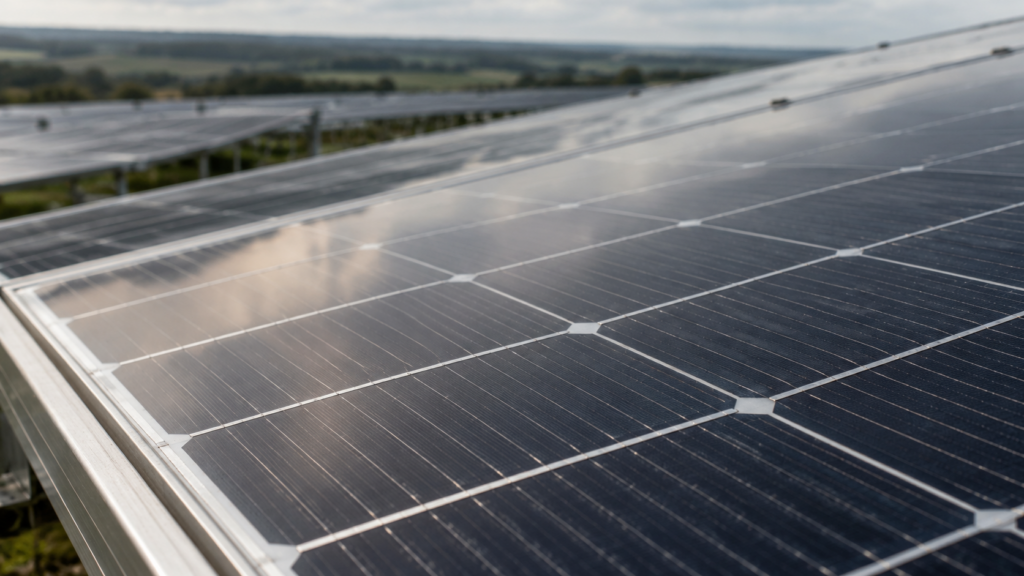
Solar Is Growing. Why Might It Need Less Silver?
Solar can grow while using less silver. Manufacturers are reducing silver in cell contacts and replacing it with copper, with adoption shaped by factory costs and panel reliability.

Macro Bites – Fed Leaves Interest Rates Unchanged as Warsh Limits Guidance
The FOMC voted 10-2 to maintain the target range for the fed funds rate at...

Macro Bites – DOE Offers Constellation Up to $5 Billion for Nuclear Power Upgrades
On Tuesday, Iran’s Supreme Leader Mojtaba Khamenei issued a statement reiterating Tehran's strict conditions for...
Enjoyed This? Get More Insights
Expert insights and curated opportunities, delivered to your inbox.
Ready to Position for What's Coming?
Whether you're still learning or ready to act, your next step starts here.
- Independent
- Macro-Informed
- Real Asset Focused

The Wealthion Network
By subscribing, you agree to receive Wealthion emails. Unsubscribe anytime.
Network Discussion
Sign in to share your thoughts and connect with other readers.
Join the Wealthion Network to Comment