

Gold Reaches New Highs
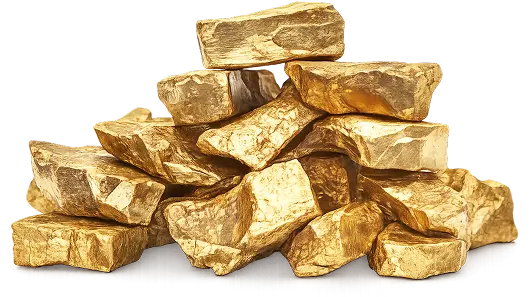
Gold prices have reached a new all-time high, with the precious metal topping $3,570 per ounce in today’s trading. The record-breaking rally, which has seen gold gain more than 33% since the beginning of 2025, is being fueled by a perfect storm of global uncertainty, shifting central bank policies, and a flight to safety among investors.
The most significant factor driving the price surge is the increasing expectation of a Federal Reserve interest rate cut. Recent economic data, including softer-than-expected jobs figures, has reinforced the market’s belief that the central bank will lower borrowing costs in the coming weeks. A rate cut would make non-yielding assets like gold more attractive compared to interest-bearing alternatives.
In addition to monetary policy, geopolitical tensions and concerns over global economic stability are playing a crucial role. As investors seek a hedge against volatility, gold’s traditional safe-haven status is being reasserted. This is compounded by a notable trend of central banks, including those in India and China, increasing their gold reserves, a move seen as a strategic diversification away from U.S. dollar assets.
Analysts note that gold has shown a strong positive correlation with the VIX volatility index, underscoring its role as a key asset during periods of market stress. With rising fiscal deficits and persistent inflation, the bullish momentum for gold is expected to continue. While some short-term profit-taking may occur, many experts believe any dip in price will be met with fresh buying, as the metal’s underlying fundamentals remain robust.
What Serious Investors Are Watching
Dive into expert interviews, market analysis, and long-form content built to help serious investors think long-term.

Is Debt Financing the AI Build-Out a Concern? Where the Risk Sits for Investors
AI borrowing is growing. Company cash flow, interest coverage and commitments beyond reported debt show why the risks differ between borrowers and portfolios.
I Bonds Explained: How They Work and What You Earn
How I bonds earn interest, adjust for inflation and become available to withdraw, with purchase limits, tax rules and a worked example.
Negative Interest Rates Explained: Policy Rates vs Real Returns
Negative policy rates charge banks on certain central-bank deposits. Negative real returns mean an investment loses purchasing power after inflation. The difference matters for savings, bonds and gold.
Enjoyed This? Get More Insights
Expert insights and curated opportunities, delivered to your inbox.
Ready to Position for What's Coming?
Whether you're still learning or ready to act, your next step starts here.
- Independent
- Macro-Informed
- Real Asset Focused

The Wealthion Network
By subscribing, you agree to receive Wealthion emails. Unsubscribe anytime.
The Wealthion Network
By subscribing, you agree to receive Wealthion emails. Unsubscribe anytime.
Network Discussion
Join the Wealthion Network to Comment