

Is China’s Economy in Trouble? Art Berman on Oil
Key Takeaways
Berman doubts the "party line" on China's oil. He is skeptical of the idea that China simply chose to stockpile crude, saying he sees "problems with the party line answer," and that China stopping 4 million barrels a day of use "on a dime" is hard to believe.
He watches refinery runs, not crude imports. His core point is that "nobody uses oil except refineries," so what matters is refined-product output, gasoline, diesel and jet fuel, not headline crude imports.
Chinese refinery runs have fallen sharply. Berman says they ran about 15 million barrels a day before the war and roughly 12 to 12.5 million now, about 3 million barrels a day less of the products people actually buy.
His math implies demand is down about 2 million barrels a day. Netting the refinery drop against changes in product exports and inventories, he estimates Chinese demand is off roughly 2 million barrels a day.
That points to a weaker economy, not clever stockpiling. Berman reads the shortfall as forced rationing, a weak economy, or both, consistent with the rest of Asia, though he stresses he is flagging doubts, not claiming certainty.
Key Moments
00:00 - China's oil demand warning Why Berman is looking inside China rather than at headline imports.
00:30 - Why China's oil story doesn't add up His skepticism of the strategic-stockpiling explanation.
01:30 - The 4 million barrel comparison How a similar shift once sent oil from $110 to $50.
02:17 - Why refinery demand matters more than crude imports Nobody buys crude; people buy fuel.
02:57 - What Chinese refineries are really signaling The 3 million barrel-a-day drop in product output.
04:34 - Can China's strategic reserves explain it? Why a crude SPR does not resolve the puzzle.
05:44 - Is China's economy weaker than markets think? Rationing, weakness, or both.
Is China's Economy in Trouble? Why Art Berman Says the Oil Demand Story Doesn't Add Up
China's oil consumption is one of the clearest windows into the health of its economy, which is why a sharp drop in its oil imports has drawn so much attention. Energy expert Art Berman told Wealthion in September 2026 that the popular explanation, that China cleverly cut imports because it had stockpiled crude, does not hold up when you look inside the country. On his read, the numbers point to genuinely weaker demand, and a weaker economy than the headlines suggest. This is his attributed analysis, and he is careful to say he is raising doubts, not claiming certainty.
Is China's economy in trouble?
Berman thinks the oil data suggests it may be. He estimates Chinese oil demand is down about 2 million barrels a day, and reads that as the product of "forced rationing," a weak economy, or both, a picture he says is "consistent with the data we have in the rest of Asia." He is careful not to overclaim: "I'm not saying that I know the answer, I'm saying I see problems with the party line answer," adding simply, "it doesn't feel right to me." But the direction of his analysis is clear: the demand shortfall looks like weakness, not strategy.
Why doesn't China's oil story add up?
Because the strategic-stockpiling explanation asks a lot. The consensus, Berman notes, is that China cut its oil imports by about 4 million barrels a day because it had built up a large strategic reserve. Drawing on nearly 50 years in the business, his instinct is disbelief that China "just found a way to stop using 4 million barrels of oil a day on a dime." For scale, he recalls that when US shale added about 4 million barrels a day over several years, it "cratered the oil market," sending prices from $110 to $50. A sudden shift of that magnitude, he argues, is not something to wave away.
Why do refinery runs matter more than crude imports?
Because crude itself is not what anyone consumes. "Nobody uses oil except refineries," Berman says; households and businesses buy gasoline, diesel and jet fuel, not barrels of crude. So rather than fixating on how much crude China imported, he argues the right question is what is happening at Chinese refineries, which convert crude into the products people actually use. That shift in focus, from imports to refined output, is the heart of his method.
What are Chinese refineries signaling?
A significant drop in fuel supply. Berman says Chinese refineries ran about 15 million barrels a day before the war and, by best estimates, 12 to 12.5 million now, meaning they are producing roughly 3 million barrels a day less of the products people need. He then nets out the pieces: add back a couple of hundred thousand barrels a day that China stopped exporting as refined products, and subtract perhaps half a million barrels a day of genuine refined-product inventory draw, and "demand is down 2 million barrels a day." A crude-only strategic reserve, he notes, cannot explain this, because the only way to use stored crude is to run it through refineries, and refinery runs are falling.
What would weaker Chinese demand mean for oil?
It would be a meaningful bearish signal. Berman's analysis implies that the world's largest oil importer may be consuming around 2 million barrels a day less than the headline import story suggests, which is the demand-side counterweight to the supply-shock narrative that has dominated oil coverage. He does not translate it into a price target, and repeats that he may be wrong, but the implication is that oil's fundamentals could be softer than the supply-focused headlines imply. For the supply side of Berman's own work, see his warning that Hormuz is gone, and for the AI-driven demand angle, Mark Mills on why AI's dirty secret is oil. Anthony Scaramucci has separately warned investors not to ignore the next oil shock. As always on Wealthion, this is Berman's attributed analysis, not advice.
FAQ
Is China's economy in trouble? Art Berman argues China's oil data hints at real weakness. He estimates demand is down about 2 million barrels a day and reads that as forced rationing, a weak economy, or both, consistent with the rest of Asia, though he stresses he is raising doubts about the consensus rather than claiming certainty.
Why doesn't China's oil demand story add up? The popular explanation is that China cut imports by about 4 million barrels a day because it had stockpiled crude. Berman finds it hard to believe China stopped using that much oil "on a dime," noting that a similar 4 million barrel-a-day shift from US shale once sent oil from $110 to $50.
Why look at refinery runs instead of crude imports? Because "nobody uses oil except refineries." People buy gasoline, diesel and jet fuel, not crude, so Berman argues refined-product output is the true measure of demand, and Chinese refineries are producing about 3 million barrels a day less than before the war.
What would this mean for oil prices? Berman does not give a price target, but weaker-than-reported Chinese demand would be a bearish counterweight to the supply-shock narrative on oil. He repeats that he may be wrong.
Which expert and interview does this article reference? This article draws on Wealthion's interview with energy expert Art Berman: "Oil Near $100: China's Demand Story Doesn't Add Up."
Full Transcript
Speakers: Maggie Lake (Wealthion host) and Art Berman (geologist and energy consultant). ASR errors corrected and filler removed; meaning preserved. A closing Wealthion membership message has been noted rather than reproduced.
Art Berman (cold open): I'm looking at what's happening inside China. Chinese refineries are producing 3 million barrels a day less of the products that people need and buy. I see problems with the party line answer.
Maggie Lake: The story people tell is that China got smart and built a huge strategic reserve, so it could cut imports. You're not sure you buy that.
Art Berman: When I hear that story, all of my almost 50 years of experience in this business, and my intuition from life, says, "Really? That doesn't sound right." Now, it doesn't mean it isn't right, but that's my first reaction. That China just found a way to stop using 4 million barrels of oil a day on a dime? That's hard to believe. For context, rewind 12 to 15 years: the United States brought on about 4 million barrels a day from shale that wasn't there before, the same volume China supposedly said "no thank you" to. And what happened? It cratered the oil market; prices went from $110 to $50, and that played out over years. So put a pin in that. China reduced its oil imports by about 4 million barrels a day. But when was the last time you put a barrel of crude oil in your car? You never have. Nobody uses oil except refineries; no one buys crude. So why are we focusing on crude oil? We should be focusing on gasoline, diesel and jet fuel, the things people actually buy and use.
Maggie Lake: So what are you looking at instead?
Art Berman: I listen to all the same stories you do, and my first question is, tell me what's happening with Chinese refineries. Chinese refineries before the war ran about 15 million barrels a day. Best estimates today are 12 to 12.5 million barrels a day. So Chinese refineries are producing about 3 million barrels a day less of the products people need and buy. I don't care how much China stopped importing; I'm looking at what's happening inside China, and one way or another the Chinese people have a whole lot less gasoline, diesel and jet fuel to use. Now, a little of that is because they stopped exporting a certain volume of refined products, a couple hundred thousand barrels a day, so add that to the plus side. As for the inventory story, that big strategic reserve everyone talks about, that's a reserve of crude oil, and the only way to use crude is to run it through a refinery, and I just told you refinery runs are way down. The other possibility is that they also stored gasoline, diesel and jet fuel, and they probably have, but I'll bet it's a much smaller number than the crude. So: down 3 million from refinery runs, add back a couple hundred thousand from no longer exporting some products, and say the real inventory draw that matters is maybe half a million barrels a day of refined products. Net it out and demand is down about 2 million barrels a day.
Maggie Lake: So instead of China being very smart and building a strategic reserve it can now use, you're saying demand is simply down.
Art Berman: Yes, and it's either down because of forced rationing, reducing supply to their citizens, or because the economy is weak and they don't need it, or both. And that's consistent with the data we have in the rest of Asia. Again, I'm not saying I know the answer. I'm saying I see problems with the party line answer. It may be right, I don't know. But it doesn't feel right to me.
What Serious Investors Are Watching
Dive into expert interviews, market analysis, and long-form content built to help serious investors think long-term.

Macro Bites – Brazil Stocks Plunge After Lula Wins Presidential Runoff
China's Ministry of Industry and Information Technology (MIIT) has issued a series of major policy...

Why the US Dollar Could Weaken, and What It Means for Investors
Higher US rates can support the dollar, while borrowing needs and reserve diversification create longer-term pressures. The effects of a weaker dollar differ across assets and currencies.
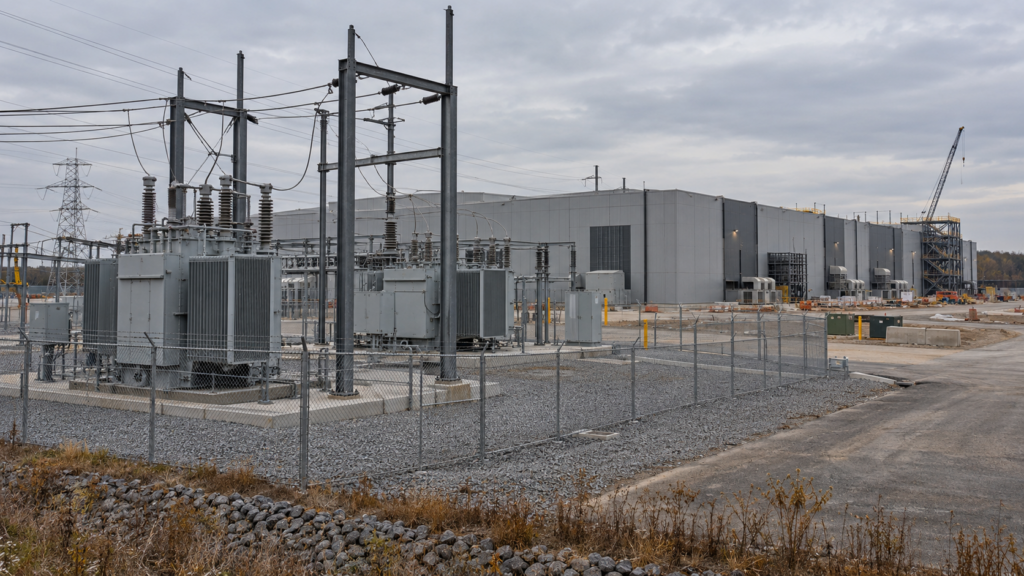
Why More Efficient AI Could Still Need More Power
Efficiency reduces the energy needed for a given AI task, but wider use and more demanding applications can offset those savings. The balance matters for electricity and infrastructure planning.
Enjoyed This? Get More Insights
Expert insights and curated opportunities, delivered to your inbox.
Ready to Position for What's Coming?
Whether you're still learning or ready to act, your next step starts here.
- Independent
- Macro-Informed
- Real Asset Focused


The Wealthion Network
By subscribing, you agree to receive Wealthion emails. Unsubscribe anytime.
Network Discussion
Sign in to share your thoughts and connect with other readers.
Join the Wealthion Network to Comment