

Wealthion Macro Bites 9/17/25
Major financial news today is being dominated by the Federal Reserve’s anticipated interest rate decision, with markets widely expecting a 25-basis-point cut to support a cooling U.S. labor market, despite ongoing political pressure and a backdrop of elevated inflation.
This key meeting, which will also feature updated economic projections from Fed officials, is the main driver of today’s market sentiment, as U.S. stock futures show mixed performance with a cautious tilt as investors await the outcome.
A recent report from The Financial Times indicates that China’s internet regulator has banned the country’s largest technology companies, including Alibaba and ByteDance, from purchasing AI chips from NVIDIA. The ban specifically targets the RTX Pro 6000D chip, which was designed by NVIDIA for the Chinese market. This move is an escalation of China’s efforts to reduce its reliance on American technology and bolster its domestic semiconductor industry, with Chinese regulators reportedly concluding that homegrown chips from companies like Huawei and Baidu are now comparable to the chips NVIDIA is permitted to sell in China under U.S. export restrictions. The ban follows an earlier move where Chinese officials discouraged companies from buying NVIDIA’s H20 chip and comes amidst a broader trade and technology dispute between the U.S. and China.
What Serious Investors Are Watching
Dive into expert interviews, market analysis, and long-form content built to help serious investors think long-term.

Is Debt Financing the AI Build-Out a Concern? Where the Risk Sits for Investors
AI borrowing is growing. Company cash flow, interest coverage and commitments beyond reported debt show why the risks differ between borrowers and portfolios.

I Bonds Explained: How They Work and What You Earn
How I bonds earn interest, adjust for inflation and become available to withdraw, with purchase limits, tax rules and a worked example.
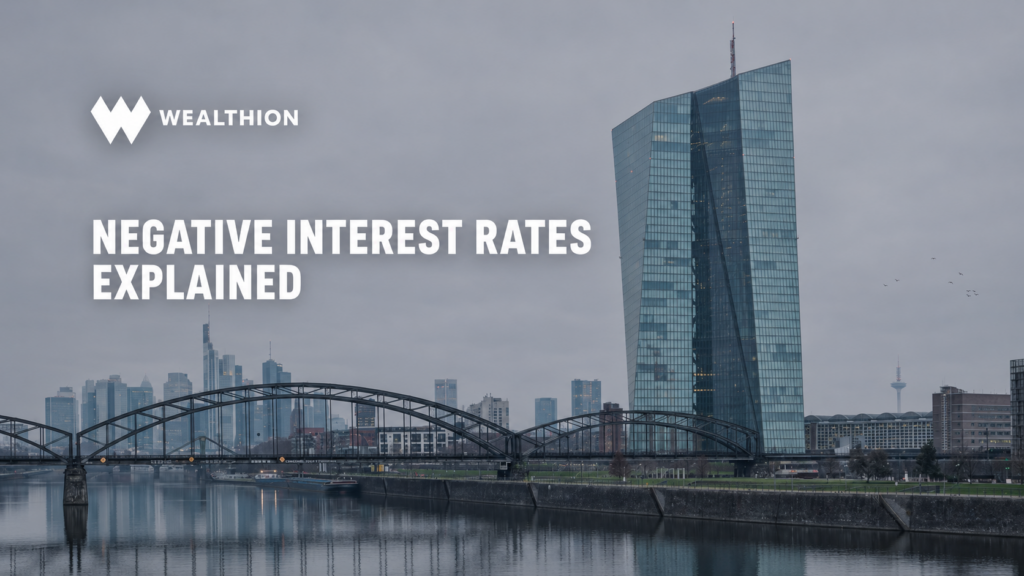
Negative Interest Rates Explained: Policy Rates vs Real Returns
Negative policy rates charge banks on certain central-bank deposits. Negative real returns mean an investment loses purchasing power after inflation. The difference matters for savings, bonds and gold.
Enjoyed This? Get More Insights
Expert insights and curated opportunities, delivered to your inbox.
Ready to Position for What's Coming?
Whether you're still learning or ready to act, your next step starts here.
- Independent
- Macro-Informed
- Real Asset Focused


The Wealthion Network
By subscribing, you agree to receive Wealthion emails. Unsubscribe anytime.
The Wealthion Network
By subscribing, you agree to receive Wealthion emails. Unsubscribe anytime.
Network Discussion
Join the Wealthion Network to Comment