

What Is the Debasement Trade?
The debasement trade is a bet that a currency is losing purchasing power faster than official inflation figures show. It is a bet that hard assets, gold chief among them, will hold their value better than the money used to price them. It is not a trade on gold, or oil, or any single asset. It is a position against the measuring stick itself.
That distinction, between betting on an asset and betting against a currency, is the whole idea.
Why is it called a trade if it isn't about buying anything specific?
Because the thesis is directional even though the position can take many forms.
Jonathan Wellum connected the term directly to the fiscal backdrop in August 2026: "at the same time, as we've talked about before, you've got massive amount of debt and people concerned about purchasing power in the debasement trade." His framing links two things: a debt load large enough to create pressure for inflation over time, and an investor response that treats holding the currency itself as the risk, rather than holding assets priced in it.
Is the debasement trade a new idea?
The mechanism is old. The label is recent, and its recency is itself informative.
Henrik Zeberg noted the term's re-emergence directly in September 2026: "the dollar debasement trade seems like it's it's back in vogue." A concept coming back into vogue means it had gone out of fashion, which tracks with the period of low inflation and rising real yields that preceded the current environment. The trade resurfaces specifically when its assumptions become harder to dismiss. Persistent deficits. A central bank under pressure. A currency losing purchasing power faster than headline data admits.
What is actually being protected against?
Grant Williams drew the sharpest distinction in August 2026: "gold tells you the value of your currency." Not the value of gold. The value of what you are measuring it in.
That reframes the entire trade. If you treat the dollar price of gold as the interesting number, you are watching gold. If you treat gold as a fixed reference point and watch how many dollars it takes to buy it, you are watching the dollar instead. Gold's dollar price becomes a readout on the currency's health, not a forecast about gold itself.
Why do miners not capture this the same way as the metal does?
Because a mining company's costs are also denominated in the same weakening currency, which erodes some of the advantage.
Williams was direct about this limitation. "If you're looking to preserve purchasing power, the gold miners will not help you sleep at night." A miner's revenue rises with the metal price, but its wages, energy, equipment and taxes are paid in the same currency the trade is betting against. That does not make miners a bad investment. It means they answer a different question than the one the debasement trade is actually asking.
Does this only apply to the US dollar?
No, and that is worth stating plainly, because most coverage frames it as a dollar-specific phenomenon. Any currency can be the subject of the same trade. All it takes is debt growth, deficit spending or central bank policy eroding purchasing power faster than official measures capture. The dollar dominates the conversation because of its reserve status and the scale of US fiscal figures, not because the mechanism is unique to it.
What does protecting purchasing power actually mean in practice?
Williams described the practical mindset shift in August 2026: "if you want to own gold to protect your purchasing power, forget the price." The instruction is not to ignore price entirely, since price still determines your entry point and any eventual sale. It is to stop grading the position on short-term price moves. Instead, evaluate it on whether it preserved what it could actually buy, over years rather than weeks, which is the horizon the debasement concern is meant to address.
Is the debasement trade the same thing as an inflation hedge?
Related but not identical. A conventional inflation hedge is judged against a published inflation number. The debasement trade is broader and more skeptical. It assumes official inflation measures may themselves understate the true erosion of purchasing power, whether through methodology, political incentive, or simple measurement lag. That is a stronger and more contestable claim than a standard inflation hedge, and it deserves to be treated as such rather than accepted uncritically.
What should you watch?
The growth rate of government debt relative to nominal GDP, which is the fiscal pressure Wellum pointed to. Whether official inflation measures and broader purchasing-power indicators, such as the gold-to-wage or gold-to-median-home-price ratio, start to diverge meaningfully. And whether the term itself keeps resurfacing in mainstream financial commentary. Zeberg's observation suggests that resurfacing is itself a signal of how mainstream the underlying concern has become.
FAQ
What is the debasement trade in simple terms? A bet that a currency is losing purchasing power faster than official data shows, expressed by holding assets like gold that are expected to hold value better than the currency itself.
Why is it called debasement rather than inflation? Debasement implies the currency's underlying value is being eroded, historically through diluting a coin's precious metal content, and today through monetary and fiscal policy. It is a broader, more skeptical framing than the standard inflation hedge concept.
Is the debasement trade only about gold? Gold is the most common expression. But the underlying thesis, protecting purchasing power against currency erosion, can extend to any hard asset perceived to hold value independent of the currency it is priced in.
Why don't gold mining stocks capture the debasement trade as directly as gold itself? Because a miner's costs are paid in the same currency the trade is betting against: wages, energy, equipment. That offsets some of the benefit from a rising metal price.
Is the debasement trade specific to the US dollar? No. It can apply to any currency where debt growth and policy erode purchasing power faster than official measures capture. The dollar dominates the conversation mainly because of its reserve currency status.
How is this different from a standard inflation hedge? A standard inflation hedge is measured against official inflation data. The debasement trade assumes that data may itself understate the real erosion of purchasing power, which is a stronger and more contestable claim.
Why has the term become more common recently? Zeberg notes the debasement trade is "back in vogue," suggesting the fiscal and monetary conditions that make the thesis credible, persistent deficits and currency concerns, have become harder to dismiss.
If you want a professional read on how currency and purchasing-power risk fit your own portfolio, you can request a free portfolio review from an advisor who understands real assets at https://www.wealthion.com/advisors/.
This article is educational and is not investment, tax, or legal advice. It does not recommend any security. Advisory services are provided by Greylock Peak Investments, LLC, a subsidiary of Wealthion. Wealthion is compensated for advisor introductions; see the Solicitor's Disclosure Document, ADV Part 2A and Form CRS. That arrangement does not influence editorial coverage.
What Serious Investors Are Watching
Dive into expert interviews, market analysis, and long-form content built to help serious investors think long-term.
Is Now a Good Time to Invest in Stocks? Chris Galipeau
Key Takeaways Galipeau thinks investors are too bearish. He says "people are seemingly waiting for...
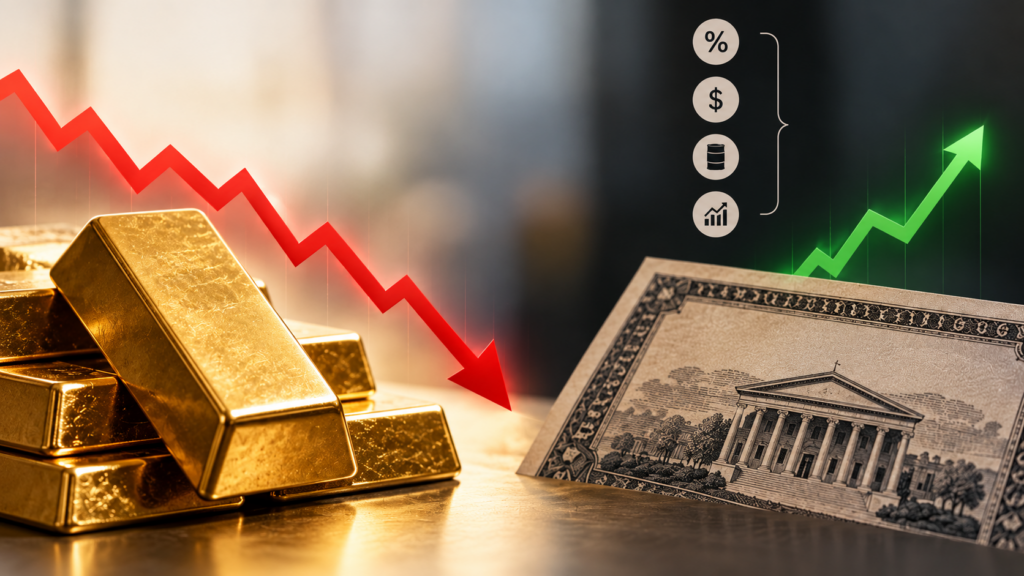
Real Yields and Gold: Why the Old Relationship Broke
For decades, the single best predictor of gold's direction was the real, inflation-adjusted yield on...
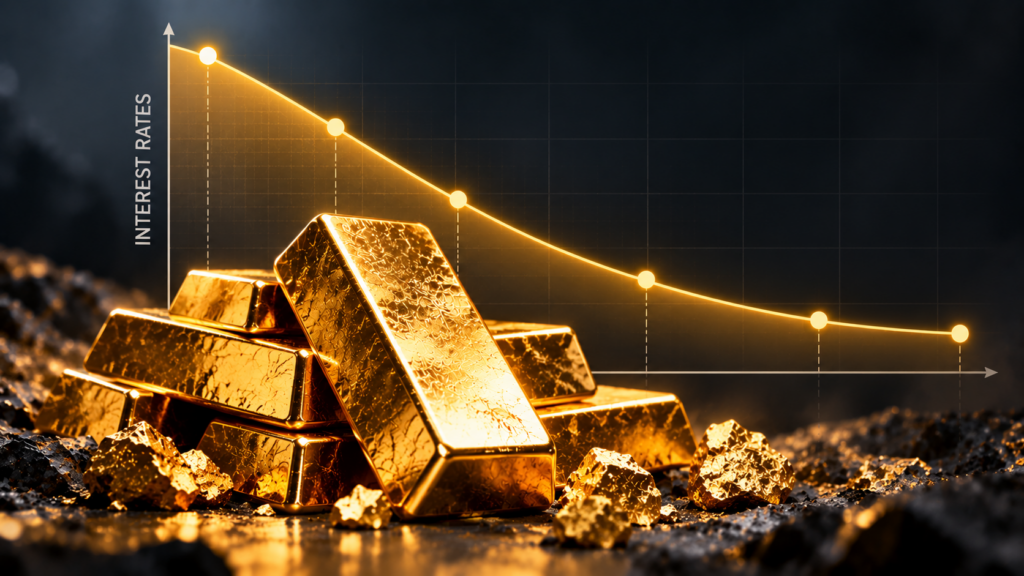
What Is the Gold Lease Rate?
The gold lease rate is what a borrower pays to rent physical gold, typically from...
Enjoyed This? Get More Insights
Expert insights and curated opportunities, delivered to your inbox.
Ready to Position for What's Coming?
Whether you're still learning or ready to act, your next step starts here.
- Independent
- Macro-Informed
- Real Asset Focused

The Wealthion Network
By subscribing, you agree to receive Wealthion emails. Unsubscribe anytime.
Network Discussion
Sign in to share your thoughts and connect with other readers.
Join the Wealthion Network to Comment