

Is Gold a Good Investment in 2026? What Six Experts Said on Wealthion
Is gold a good investment in 2026? The answer from six experts interviewed on Wealthion splits three ways: the secular bull case rests on central banks rebuilding gold reserves, the cyclical warning says the easy money has been made, and the practical middle says accumulate the metal but be careful with the stocks. What makes the question hard as of August 2026 is that gold has already run historically far, so the driver, the time frame, and the vehicle now matter more than the simple yes or no. Here is how the disagreement actually maps.
Why is gold going up?
Steven Feldman’s answer, from his conversation with David Rosenberg, is the cleanest driver thesis in the catalog: central banks. In his telling, “the central banks are always at the poker table with the rest of us.” The same institutions whose selling drove gold’s two-decade bear market into 1999, when “the share of gold in FX reserves was down to 10%” versus roughly 70 percent at the 1980 peak, are now mean-reverting their reserves back toward gold. That reversal, not jewelry demand or retail buying, is what he says powers this bull market, and following the arithmetic of that reserve shift is how numbers like $6,000 an ounce enter the conversation.
Michael Oliver of Momentum Structural Analysis frames the same force from the currency side in his June interview: “most commodities are vastly undervalued related to the degradation in the money unit.” He also dismisses a common worry, noting that “Gold has quadrupled and the dollar index has gone sideways” for a decade, so daily dollar ticks tell you little about gold’s trend.
Has gold already peaked?
Here is the dissent, and it deserves equal billing. Mike McGlone of Bloomberg Intelligence argued in his May interview that after this much outperformance, “we should expect years of bad performance,” invoking his commodity rule that you are “supposed to be selling when you’re yelling,” and everybody is yelling about gold. He allows that gold could still print a new high near 6,000 before settling into a long range, and adds two macro caveats most gold bulls skip: metals historically need a rising stock market, and China, the marginal commodity buyer, is fighting deflation with a 10-year yield near 1.75 percent.
Lobo Tiggre of The Independent Speculator, in the freshest interview of this set, sits between the camps and is candid about why: in 2011 he and his mentors stayed bullish straight into a multi-year bear market because the structural narrative, epic deficits and unprecedented policy, seemed irrefutable. It was, and gold fell anyway. His base case now is a stair-stepping bull, comparable to the consolidations that resolved higher in 2020, but he flags the historical rhyme that keeps him honest, since the current pattern looks uncomfortably similar to the last major top: “if 2011 wasn’t 1980, but 2011 was 1975,” then this leg could be the blow-off. Bear markets can arrive, he warns, even when every structural argument remains true.
Should you buy gold, silver, or gold mining stocks?
The vehicle question produced the sharpest split of all. Tiggre made news in this interview by revealing “I sold every single one of my gold and silver stocks” on the bounce after January’s spike, while continuing to accumulate physical bullion on schedule; the stocks, in his view, are simply not a buy at current levels even for a die-hard bull.
Rudi Fronk, chairman of Seabridge Gold, takes the other side in his conversation with Trey Reik: “gold equities are very cheap relative to the gold price” by historical measures, and in a rising gold environment “gold stocks generally outperform the gold price by three or four to one.” Reik’s own framing of the secular case rests on what he calls the same big three fundamentals for 25 years: “the dollar, the US deficit, and the Fed.” Fronk extends the argument to copper, where “from discovery to first production, it’s more than 20 years,” meaning data-center-driven demand meets supply that cannot respond this decade.
On silver, Oliver is the table-pounder: silver trades under 2 percent of the gold price versus 6.5 percent in 1980 and 3.1 percent in 2011, and his momentum work argues for a catch-up move he sizes in the hundreds of dollars: “We argue $3 to $500. It’s highly likely.” That is his firm’s projection, stated on the record, not a Wealthion forecast.
When should you buy gold?
Time frame is the entire answer, and it echoes what Pierre Lassonde told Wealthion in the interview featured in our inflation-hedge analysis: “80% of the value of gold on a daily basis is related to the US dollar,” so short windows mislead. David Rosenberg, long-term bull for decades, disclosed that “I trimmed my positions in January” near the highs while keeping his secular view intact, and currently sees bonds as the better near-term value. McGlone’s tactical suggestion is laddering into weakness rather than chasing strength. Tiggre draws the sharpest line of all: bullion is for accumulating continuously; stocks are for buying when nobody is yelling.
What would end the gold bull market?
Feldman offered the most useful tripwire in the entire catalog. The signal will come “When the first central bank comes out and says, ‘I’m done.’” That announcement would be the inverse of the 1999 Washington Agreement that marked the bottom, and until a major central bank declares its gold rebuilding complete, the structural driver remains in place. His joke version of the second signal: the day Rosenberg changes his name to Goldberg. McGlone’s alternative ending needs no announcement at all, just gravity: prices went up, so prices come down, and the consolidation lasts years. Two tripwires, one structural and one cyclical; watching both is the honest position.
FAQ: Gold in 2026 in Brief
Is gold a good investment right now? Contested. The bulls (Feldman, Oliver, Fronk) point to central-bank buying and currency debasement; McGlone argues the cycle has peaked and years of consolidation follow; Tiggre accumulates metal but avoids the stocks.
Why is gold going up? Per Steven Feldman: central banks are mean-reverting gold’s share of their reserves upward from the 1999 low of 10 percent. Michael Oliver adds currency debasement as the century-long driver.
Should I buy gold or silver? Michael Oliver argues silver is the more undervalued metal, at under 2 percent of the gold price versus 6.5 percent in 1980. Silver is also more volatile, which cuts both ways.
Are gold mining stocks better than gold? Rudi Fronk says miners are historically cheap and typically deliver three to four times gold’s move in a bull market. Lobo Tiggre sold all of his mining stocks this year while keeping his bullion. Both are on the record; the disagreement is the point.
When should I buy gold? The experts converge on process over timing: accumulate steadily (Tiggre on bullion), ladder into weakness (McGlone), and judge gold over years, not weeks (Lassonde).
What would signal the end of the gold bull market? Steven Feldman’s tripwire: the first major central bank announcing its gold buying is done, the mirror image of the 1999 Washington Agreement bottom.
Which experts and interviews does this article reference? Six Wealthion interviews from May to August 2026: Steven Feldman and David Rosenberg on the coming reckoning, Mike McGlone on gold's warning, Michael Oliver on silver's coming move, Rudi Fronk with Trey Reik on miners and copper, and Pierre Lassonde on gold's long-run role.
Wealthion editorial content is for informational purposes only and is not investment advice. The views and price projections quoted belong to the named guests. If you want a professional read on how precious metals fit your own portfolio, you can request a free portfolio review at https://www.wealthion.com/advisors/
What Serious Investors Are Watching
Dive into expert interviews, market analysis, and long-form content built to help serious investors think long-term.
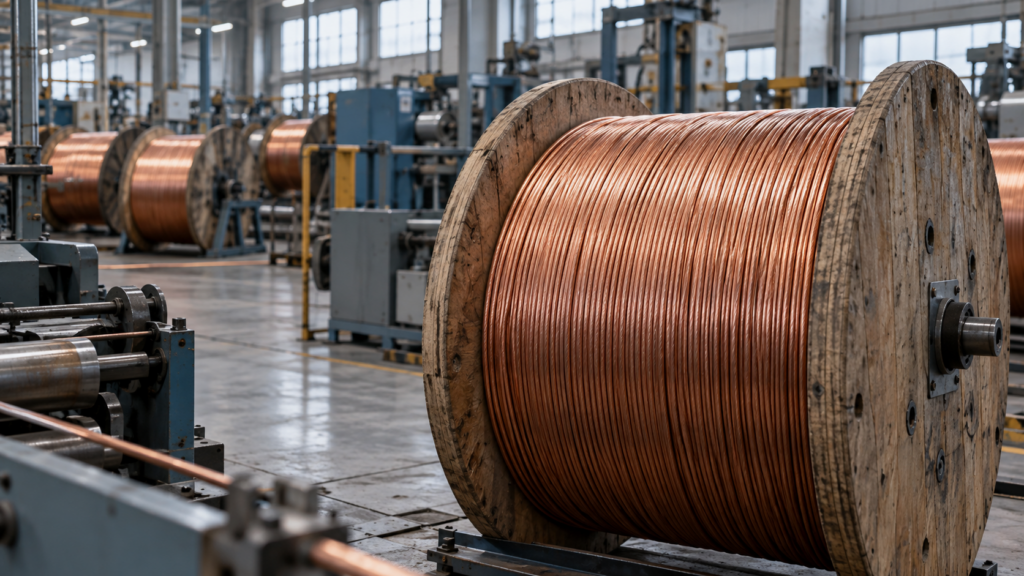
Copper Supply and Demand: What the AI Buildout Means for the Market
AI adds to copper demand, but the market also depends on mine supply, grid investment and tariff policy. The effects differ for miners, smelters, recyclers and equipment makers.

Macro Bites – Global Credit Spreads Widen as AI Selloff and Geopolitical Risks Mount
Israeli Prime Minister Netanyahu said his directive to the Israeli military and Mossad is to...

Macro Bites – French Bond Yields Cross 5% as Budget Pressure Mounts
Yemen’s Iran-backed Houthis have launched an unprecedented wave of drone and ballistic missile attacks over...
Enjoyed This? Get More Insights
Expert insights and curated opportunities, delivered to your inbox.
Ready to Position for What's Coming?
Whether you're still learning or ready to act, your next step starts here.
- Independent
- Macro-Informed
- Real Asset Focused

The Wealthion Network
By subscribing, you agree to receive Wealthion emails. Unsubscribe anytime.
Network Discussion
Sign in to share your thoughts and connect with other readers.
Join the Wealthion Network to Comment