

Macro Bites – Russia’s Gold Sales, Credit Strains and Nvidia’s Return
Bloomberg reports the Bank of Russia reduced its gold reserves by 300koz (9.3t) in Oct., the eleventh consecutive month of net sales. The Bank of Russia has been the world’s largest central bank seller of gold in ‘26, liquidating approximately 71.3t between Dec. ’25 and Oct. ’26. This marks the sharpest pace of drawdown of Russian bullion reserves since the ‘98 financial crisis, bringing official sovereign gold holdings down to 2,264t (lowest since late ’19).
French state-owned multinational electric utility Electricite de France (EDF) is proceeding with plans to hire staff, place orders and award contracts next year for six new nuclear reactors, even before securing final EU approval for a state-backed financing package. EDF is pressing ahead with Europe's largest nuclear expansion project in decades, seeking to avoid lengthy delays (and ballooning costs) that have plagued its past projects in France and Britain. The program aims to bring a first reactor online by ‘38 and is expected to cost more than $76.85B for all six, with the government financing 60% through a zero-interest loan. Under EU rules for state aid, the loan still requires approval by the European Commission.
The 31st U.N. Climate Change Conference (COP31) scheduled for 11/9-11/20 in Antalya, Turkey, closed 11/22 without a final climate pact after two weeks of negotiations and two days of overtime talks. Disagreement over fossil fuel language proved the main obstacle to consensus. Several countries formally objected to the final text, saying it weakened previous commitments and failed to meet the urgency of the climate crisis. António Guterres called the outcome a setback but insisted there remains “no ambiguity in the science” and urged faster climate action.
Separately, Reuters reports China has decided against hosting the ’28 COP conference because China’s central government saw no advantage in taking on more formal climate leadership. China's envoys to COP31 stuck to the country's accustomed low-key playbook, as China's delegation fulfilled its traditional role of siding with the developing world's demands that wealthy nations give more climate finance and cut emissions faster, while resisting specific targets for phasing out fossil fuels.
BHP has unveiled a $13.6B-$17.4B plan to double its South Australian copper production to 650kt by ‘40. Announced during an investor site tour at Olympic Dam on Monday, the multi-stage strategy aims to turn Copper South Australia into an asset rivaling Chile’s Escondida Mine (world's largest copper mine).
BHP plans will consolidate four major deposits in the Gawler Craton region into a single integrated province with an estimated 80-year mine life. The project would include 1.) Olympic Dam (polymetallic mine producing copper, uranium, gold, and silver, holding 88.1Mt of contained copper resource), 2.) Carrapateena & Prominent Hill (two established underground copper-gold mines acquired through BHP's A$9.6 billion takeover of OZ Minerals in ’23), and 3.) Ankata (high-potential exploration discovery holding 8.8Mt of contained copper resource).
Liquidity watch: Goldman Sachs reports high yield spreads blew out 51bps last week to 367bpts, not only the largest weekly widening of ’26, but also double the ’25 weekly high of +27bps (9/25). The index's ‘26 return flipped from +0.54% to -0.32% in five sessions, and triple-Cs sank to their lowest year-to-date return of ’26. IG spreads widened 10bps to 96bps.
AI watch: In one of the most shocking corporate developments we have ever witnessed, Nvidia’s Board reinstated Jensen Huang as CEO effective immediately. NVDA shares are trading up 28% premarket on the news.
What Serious Investors Are Watching
Dive into expert interviews, market analysis, and long-form content built to help serious investors think long-term.

Macro Bites – Russia’s Gold Sales, Credit Strains and Nvidia’s Return
Bloomberg reports the Bank of Russia reduced its gold reserves by 300koz (9.3t) in Oct.,...
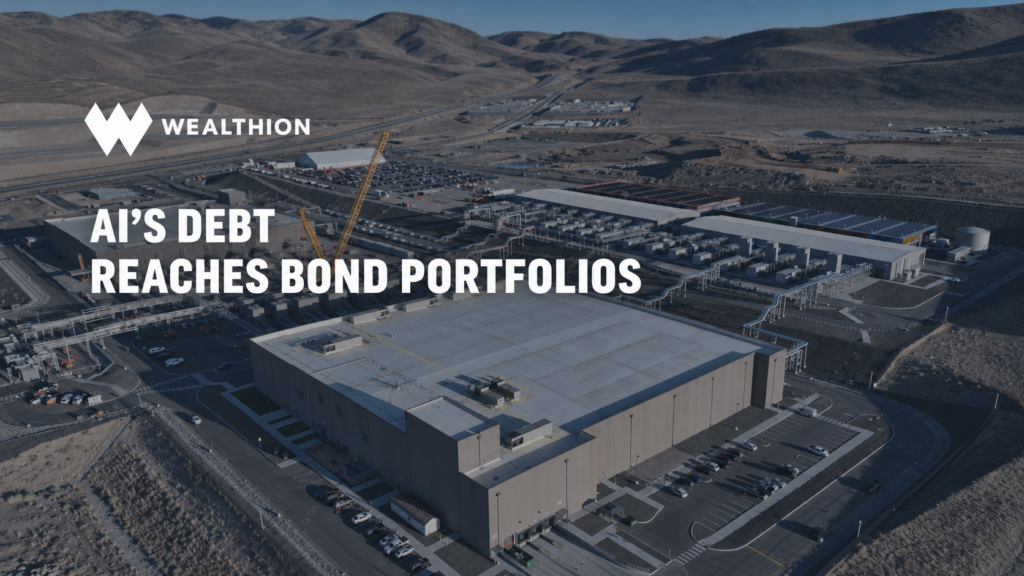
Is Debt Financing the AI Build-Out a Concern? Where the Risk Sits for Investors
AI borrowing is growing. Company cash flow, interest coverage and commitments beyond reported debt show why the risks differ between borrowers and portfolios.

I Bonds Explained: How They Work and What You Earn
How I bonds earn interest, adjust for inflation and become available to withdraw, with purchase limits, tax rules and a worked example.
Enjoyed This? Get More Insights
Expert insights and curated opportunities, delivered to your inbox.
Ready to Position for What's Coming?
Whether you're still learning or ready to act, your next step starts here.
- Independent
- Macro-Informed
- Real Asset Focused


The Wealthion Network
By subscribing, you agree to receive Wealthion emails. Unsubscribe anytime.
The Wealthion Network
By subscribing, you agree to receive Wealthion emails. Unsubscribe anytime.
Network Discussion
Join the Wealthion Network to Comment