

What Copper Is Used For, and Why Demand Is Changing
Copper conducts electricity better than almost any affordable metal, which is why it sits inside nearly everything that generates, moves or uses power. Wiring, motors, transformers, electric vehicles, data centres and the grid itself all run on copper. What has changed recently is not what copper is used for. It is how fast that demand is growing, and how little new supply is coming to meet it.
What is copper actually used for?
Anything that moves electricity efficiently.
Power generation and transmission account for a large share of demand: grid cables, transformers and substations. Construction uses it for wiring and plumbing. Electric vehicles use roughly four times the copper of a conventional car, in motors, batteries and charging infrastructure. And data centres, increasingly built for AI workloads, are copper-intensive in ways that older, less power-dense computing was not.
That last category is new enough that most copper demand forecasts from even a few years ago underestimated it.
Why is a mining engineer bullish on copper specifically?
Steven Enders, a mining engineer, put his view directly in August 2026: "I'm a huge bull on on copper from a a a demand perspective, a price perspective." His reasoning is not a general commodity thesis. It is specific to how supply projects actually get evaluated inside the industry.
Why doesn't higher demand automatically bring more supply?
Because new copper supply is judged project by project, against a moving hurdle set by the best available alternative. Many projects simply do not clear it.
Enders described the internal logic mining companies use when deciding whether to develop a deposit: "when you look at it relative to all of the projects that are out there at the same copper price, you might say our project just doesn't rank." A deposit can be real, known, and still not economic to develop if better opportunities exist elsewhere at the same price assumption.
That is a structural reason new supply lags demand even when everyone agrees demand is rising. Development decisions get made years in advance against a specific price assumption. If that assumption turns out too conservative, supply simply does not show up in time.
Does a higher copper price fix the supply problem?
Partially, and slowly.
Enders explained the mechanism: "it's could be copper price could could increase and then we can make more marginal copper from what we already have." Higher prices make lower-grade ore and previously uneconomic deposits worth developing. But that process takes years, from the price signal to a permitted, built, and operating mine.
In the meantime, Enders pointed to where the near-term picture actually stands: "probably the best thing I can speak to is is the deficit in copper looking forward." A deficit is a forecast that demand will outrun available supply at current prices, not a statement that copper has run out.
Why is this different from previous copper cycles?
Because the demand side now includes a category, AI infrastructure, that barely existed in the last major copper cycle. Grid buildout to support electrification was already underway before AI became a major driver of data centre construction. The two demand sources are now arriving at the same time, which is unusual. Normally a single mega-trend drives a commodity cycle, not two large ones stacking on top of each other.
What should you take from this?
Not a directional call on the copper price. A framework for reading the supply side correctly instead. New copper supply responds to price with a long lag, because project economics are evaluated against forward price assumptions that take years to prove out or fail. A deficit forecast is a statement about that lag, not a guarantee of a particular price outcome.
What should you watch?
Copper inventory levels at the major exchanges, which show near-term tightness. The pace of new project approvals globally, which shows whether supply is responding to current prices. And electric vehicle and data centre construction data, since both are newer demand sources whose growth rates are less predictable than traditional grid and construction demand.
FAQ
What is copper mainly used for? Electrical wiring, motors, transformers, construction, electric vehicles and data centre infrastructure. Anything that generates, transmits or consumes electricity efficiently uses copper.
Why is copper demand changing now? Grid electrification and AI-driven data centre construction are both large new demand sources. They are arriving at the same time, on top of already-growing electric vehicle demand.
Why doesn't a copper deficit forecast mean copper is running out? A deficit means demand is expected to outpace supply at current prices. It reflects how slowly new mining supply responds to price signals, not physical scarcity of the metal in the ground.
Why does new copper supply take so long to arrive? Mining companies evaluate potential projects against other opportunities at the same assumed price. A known deposit can sit undeveloped for years if it doesn't rank against competing projects, even amid rising demand.
Does a higher copper price solve the supply shortfall? It helps, by making lower-grade or previously uneconomic deposits worth developing, but the process from price signal to producing mine takes years.
How much copper does an electric vehicle use? Roughly four times the copper of a comparable conventional vehicle, across the motor, battery and charging systems.
Is the current copper demand story different from past cycles? Yes, because AI-driven data centre construction is a new demand source layering on top of already-established grid electrification and EV demand, rather than a single dominant driver.
Which experts and interviews does this article reference? A Wealthion interview with Steven Enders, mining engineer, 12 August 2026 (no companion article page yet). This piece draws on a single guest's analysis; a broader copper cluster would benefit from an additional voice.
If you want a professional read on how commodity exposure fits your own portfolio, you can request a free portfolio review from an advisor who understands real assets at https://www.wealthion.com/advisors/.
This article is educational and is not investment, tax, or legal advice. It does not recommend any security. Advisory services are provided by Greylock Peak Investments, LLC, a subsidiary of Wealthion. Wealthion is compensated for advisor introductions; see the Solicitor's Disclosure Document, ADV Part 2A and Form CRS. That arrangement does not influence editorial coverage.
What Serious Investors Are Watching
Dive into expert interviews, market analysis, and long-form content built to help serious investors think long-term.

Precious Metals Investing: Vehicles and Tradeoffs
Precious metals exposure comes in three broad forms, and they are not interchangeable. Physical bullion...
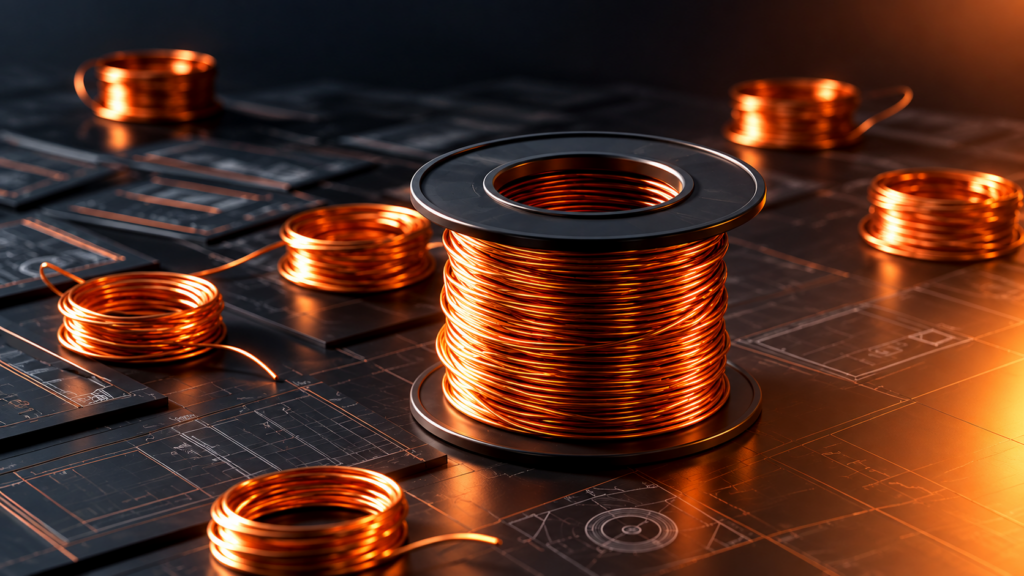
What Copper Is Used For, and Why Demand Is Changing
Copper conducts electricity better than almost any affordable metal, which is why it sits inside...

Where Does the Federal Reserve Get Its Money?
The Federal Reserve does not get its money the way a household, a company or...
Enjoyed This? Get More Insights
Expert insights and curated opportunities, delivered to your inbox.
Ready to Position for What's Coming?
Whether you're still learning or ready to act, your next step starts here.
- Independent
- Macro-Informed
- Real Asset Focused


The Wealthion Network
By subscribing, you agree to receive Wealthion emails. Unsubscribe anytime.
Network Discussion
Sign in to share your thoughts and connect with other readers.
Join the Wealthion Network to Comment