

Is the AI Bubble Bursting? Why Barry Knapp Cut Tech
Key Takeaways
The economy is K-shaped by the design of Fed policy. Knapp traces the divide to the Fed easing through its balance sheet during the pandemic and tightening through rates afterward — leaving cheap money for long-term fixed-rate borrowers (homeowners, big banks, hyperscalers) while short-rate and lower-quality borrowers (small banks, small businesses) stay squeezed.
Kevin Warsh's likely plan is a rebalancing, not a simple rate cut. In Knapp's read, the Fed could lower the policy rate toward 3% while reinvesting maturing bonds into shorter maturities to drain accommodation from the long end, paired with bank deregulation — an approach aimed at helping Main Street rather than Wall Street.
He thinks the 2% inflation target was a mistake. Knapp calls the target "ill advised" and argues the realistic, acceptable resting point is closer to 2.5%, given tariffs replacing the era of near-zero goods inflation.
The deficit — not the Fed — is what he actually worries about. Knapp argues inflation is ultimately a fiscal phenomenon, and that with receipts stuck near 17% of GDP and spending above 20%, the long-run fiscal path is the real risk.
He cut tech because AI capital-spending growth is slowing, not because the cycle is over. Knapp reduced technology to well below its index weight and rotated into industrials, energy, materials and financials, holding cash against a possible 10% drawdown.
Key Moments
00:50 — Why the U.S. economy is still K-shaped Knapp's origin story for the divide: balance-sheet easing plus rate tightening.
04:20 — Kevin Warsh's plan for the Federal Reserve The three-part rebalancing: cut the policy rate, shorten reinvestment, deregulate banks.
09:02 — Treasury yields, bonds and Fed balance-sheet risks Why the unwind is complicated, and what would let the bond market find a level.
17:08 — Why the Fed's 2% inflation target was a mistake The post-crisis origins of the target and why Knapp thinks it was misguided.
18:42 — Why inflation will likely settle around 2.5% Tariffs, goods prices and the case against forcing inflation below 2%.
23:37 — The real U.S. debt and deficit problem Receipts near 17% of GDP, spending above 20%, and why the gap matters.
28:19 — Tech stocks, AI and why Barry Knapp cut exposure The capex-to-cash-flow signal and the four big spenders.
31:12 — Where Barry Knapp is investing instead The rotation into the non-AI capital-investment story.
Is the AI Bubble Bursting? Why Barry Knapp Cut His Tech Exposure
Barry Knapp, founder of Ironsides Macroeconomics and a former head of U.S. equity strategy at Barclays, isn't calling the top of the AI cycle — but he has moved his own money out of the way. Speaking with Wealthion in late July 2026, Knapp explained why he trimmed technology well below its index weight, why he expects a Kevin Warsh–led Fed to rebalance rather than simply cut, where he thinks inflation actually settles, and why the federal deficit — not the Fed — is the risk that keeps him up at night.
Why is the U.S. economy "K-shaped"?
Knapp's core claim is that the K-shaped economy is a product of how the Fed operated, not an accident. He argues the Fed eased during the pandemic mainly by buying long-term securities and later tightened mainly through the policy rate, leaving what he estimates as half a point to three-quarters of a point of "excessive accommodation" in the long end of the Treasury curve. The result: long-term fixed-rate borrowers — homeowners, big banks, the large "hyperscalers" — get cheap money, while floating-rate and lower-quality borrowers, small banks and small businesses, face restrictive conditions. He cites the profitability gap between big and regional banks and small-business employment contracting while big-business employment grows. Four "adverse aggregate demand shocks" from the Trump administration — slower immigration, sharply reduced government-spending growth, tariffs, and the war-driven energy shock — have made the divide less acute but also concentrated growth in the AI capital-spending boom while the rest of the economy muddles along.
What is Kevin Warsh's plan for the Fed?
Knapp is "extremely confident" that fixing this imbalance is why Warsh is chair, and he lays out a three-part plan. Rather than hiking, Knapp expects the Fed to lower the policy rate toward 3% to relieve small businesses; to stop reinvesting maturing bonds into 10- and 30-year Treasuries and instead buy shorter maturities, draining the accommodation embedded in its long-term holdings; and to deregulate the banking system so banks can absorb more securities. He frames it as deliberately pro–Main Street, echoing what he says Treasury Secretary Bessent has written about Main Street making a comeback relative to Wall Street. Knapp expects the Fed's task forces to spend three to six months building the justification, with implementation likely starting later in the fall as inflation cools. For the backdrop on the chair at the center of it, see Wealthion's coverage of a Fed now led by Kevin Warsh.
Can the Fed shrink its balance sheet without breaking the bond market?
It can, Knapp argues, but only if it manages the process actively instead of on "autopilot." He points to the 2023 episode when the Treasury tried to extend issuance duration, the market pushed back, and yields spiked — forcing a pivot to heavy bill issuance. Because the Fed's holdings and government issuance are both elevated, unwinding is delicate, and he thinks rising long-term real yields already reflect the market bracing for it. The reassuring part, in his view, is that today's buyers are price-sensitive (unlike the price-insensitive central-bank and foreign buying of the 2000s), and there is enough private capital to hold the debt at the right price. The key is to start and steer it: "don't put it on autopilot and wait till you crash into a wall before you change your strategy."
Was the Fed's 2% inflation target a mistake — and where does inflation settle?
Knapp's answer is blunt: "The Fed's 2% target was ill advised." He argues it was adopted in 2012 in the disinflationary aftermath of the financial crisis, out of an overriding fear of deflation, and that no business cycle since the early 1960s outside that period ran below 2%. His estimate of the real trend is closer to 2.5%. The sub-2% readings of the 2010s, he says, existed only because China's excess capacity drove goods inflation to roughly zero; with tariffs now higher and likely to stay, goods inflation of even 1% pushes the overall rate back toward 2.5%. Near term, he expects benign readings by the September meeting as rents and core services moderate — but he does not expect a return below 2%. A stable 2.5%, he argues, is a perfectly good backdrop for a capital-spending and manufacturing revival.
Why does Barry Knapp say the deficit is the real risk?
Because, in his framework, inflation is ultimately a fiscal problem — and the fiscal math is hard to fix. Knapp notes that federal receipts have hovered near 17% of GDP for decades regardless of which party sets tax policy, while spending has averaged above 20%. Closing that gap requires spending to grow more slowly than the economy, but mandatory programs keep rising, and he warns that a change in control of the House could push spending higher still. His summary of why deficits are so sticky is plainspoken: "It's easy to give somebody something like a tax cut, but it's really hard to take away something." Asked what he genuinely worries about, he pointed here — not to monetary policy.
Why did Barry Knapp cut his tech exposure?
Not because the AI story is over, but because the pace of spending is set to decelerate. Knapp's evidence is the market's own reaction: the four largest AI spenders (Google, Meta, Microsoft and Amazon) saw their shares slide through the quarter after raising capital-spending guidance. His favored gauge — capital spending as a share of cash flow — sits near 90% for the big spenders, above the roughly 80% peaks that marked telecom in 1999–2000 and energy during the 2014–15 shale boom. He doesn't expect capex to be cut, just to stop rising as fast, and expects that deceleration to ripple through the sector. So he reduced technology sharply: "I've reduced my exposure to the technology sector. The index weight is 37%. I'm at 25," with a similar underweight in communication services. His discipline test is memorable — "if you have 50% of your portfolio in one theme, that borders on recklessness." His caution rhymes with other voices Wealthion has featured on why the smart money is selling AI stocks and signs the AI spending boom is cracking. For the more bullish counter-case — that AI is a bubble or the biggest opportunity yet — Wealthion has covered that side too.
Where is Barry Knapp investing instead?
He rotated toward the rest of the capital-investment story. Knapp describes overweighting industrials, energy, materials and financials — the last on the view that Warsh's plan (a steeper yield curve plus bank deregulation) would be good for banks — while underweighting consumer staples and discretionary on margin pressure and the K-shaped squeeze, and holding a "decent cash position." As always on Wealthion, these are one strategist's attributed positions, not recommendations. He would revisit consumer names, he says, once the Fed is clearly unwinding its imbalanced policy.
Is a stock market correction coming?
Knapp thinks a pullback is plausible at almost any time. He argues rising real interest rates tighten financial conditions and pressure valuations, and could trigger "a 10% draw down at any point" — a risk he notes tends to surface in midterm-election years. On valuations, he's wary of expensive defensives: paying roughly 30 times earnings for a slow-growing staples company, he says, is "not really a defensive trade. It's kind of a silly trade." Where he still sees value is regional banks, which he argues remain cheap relative to what deregulation and a steeper curve could do for their profitability.
What Investors Should Watch
- The Fed's balance-sheet task force — whether the Fed actually begins the rate-cut-plus-short-reinvestment rebalancing Knapp describes, and when.
- Inflation readings into the fall — core services, rents and goods prices, which underpin his "settles at 2.5%" call.
- The deficit path — mandatory-spending growth versus nominal GDP, and the fiscal implications of the November elections.
- AI capital spending as a share of cash flow — Knapp's ~90%-versus-80%-peak gauge at the largest spenders.
- Real (inflation-adjusted) Treasury yields — his named trigger for a potential 10% drawdown.
FAQ
Why did Barry Knapp cut his tech exposure? Because he believes the rate of change of AI-related capital spending is set to slow, not because the cycle is over. He cut technology to well below its index weight (37% down to 25% in his book) and communication services by half, arguing that concentrating too much in one theme is reckless.
Is the AI bubble bursting? Knapp doesn't think so. His view is that the AI cycle isn't finished, but capital-spending growth has likely peaked in pace — evidenced, he says, by the four biggest spenders' shares falling after they raised capex, and by capex running near 90% of cash flow.
What is Kevin Warsh's plan for the Fed? As Knapp reads it: lower the policy rate toward 3%, reinvest maturing securities into shorter maturities to remove accommodation from the long end of the curve, and deregulate banks so they can hold more securities — a rebalancing aimed at Main Street rather than a simple rate cut.
Where does Barry Knapp think inflation will settle? Around 2.5%. He calls the 2% target "ill advised," argues sub-2% inflation in the 2010s depended on China's near-zero goods prices, and expects tariffs to keep goods inflation positive, stabilizing the overall rate near 2.5%.
Is a stock market correction coming? Knapp says rising real interest rates could trigger a roughly 10% drawdown at any point, a risk he associates with midterm-election years. He holds cash partly for that reason.
Which expert and interview does this article reference? This article draws on Wealthion's interview with Barry Knapp, founder of Ironsides Macroeconomics: "Barry Knapp: I Cut Tech. Here's Why."
What Serious Investors Are Watching
Dive into expert interviews, market analysis, and long-form content built to help serious investors think long-term.

Why the US Dollar Could Weaken, and What It Means for Investors
Higher US rates can support the dollar, while borrowing needs and reserve diversification create longer-term pressures. The effects of a weaker dollar differ across assets and currencies.
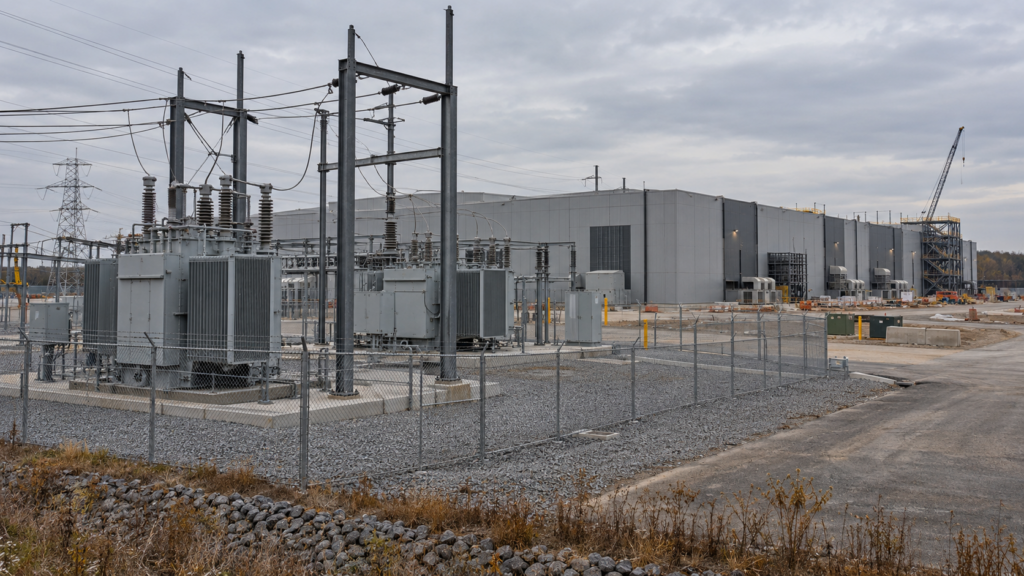
Why More Efficient AI Could Still Need More Power
Efficiency reduces the energy needed for a given AI task, but wider use and more demanding applications can offset those savings. The balance matters for electricity and infrastructure planning.
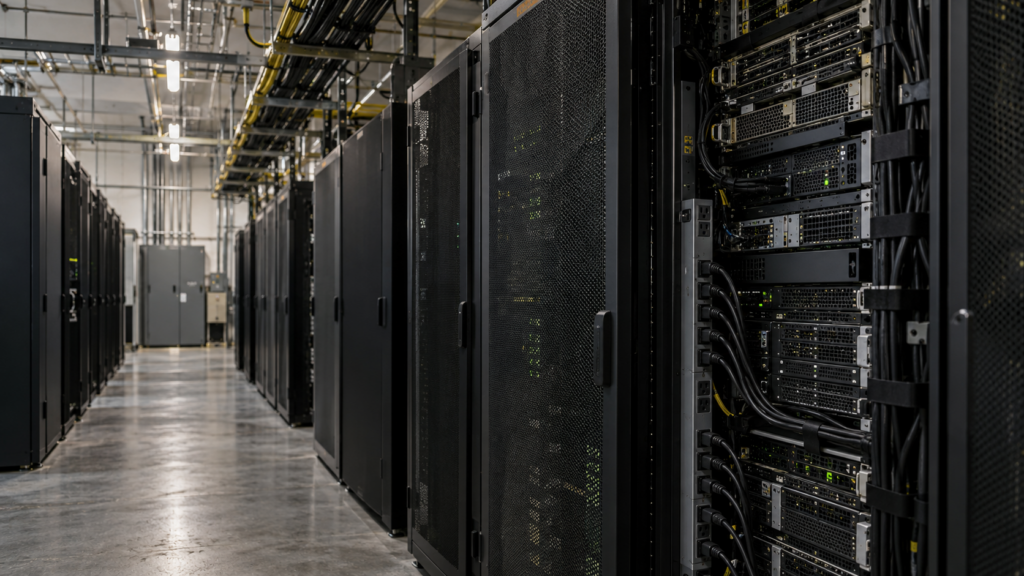
Where the AI Data Center Building Boom Could Hit Its Limits
Large technology budgets do not immediately become operating data centers. Power connections, equipment, local approvals and financing shape how quickly the AI buildout can proceed.
Enjoyed This? Get More Insights
Expert insights and curated opportunities, delivered to your inbox.
Ready to Position for What's Coming?
Whether you're still learning or ready to act, your next step starts here.
- Independent
- Macro-Informed
- Real Asset Focused


The Wealthion Network
By subscribing, you agree to receive Wealthion emails. Unsubscribe anytime.
Network Discussion
Sign in to share your thoughts and connect with other readers.
Join the Wealthion Network to Comment